
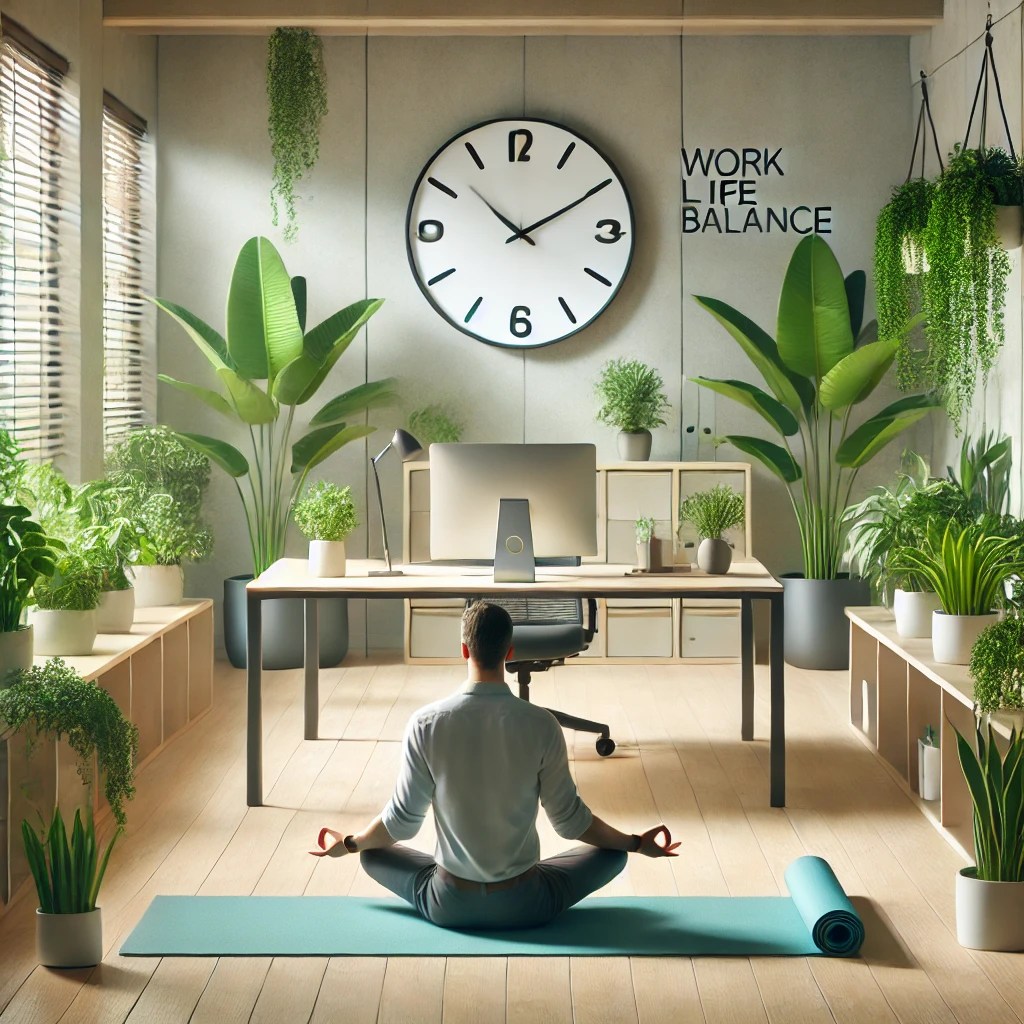
Work stress is a challenge that many people face daily. Prolonged stress can lead to mental and physical health problems, such as burnout, insomnia, and decreased productivity. Fortunately, there are countless ways to effectively reduce work stress. In this article, you will find the ultimate guide with practical tips, supported by scientific insights, to lower your stress levels and improve your well-being.
What is work stress, and why is it important to relax?
Work stress often arises from high workloads, deadlines, conflicts, or a lack of balance between work and personal life. Recognizing and addressing stress in time is crucial to preventing physical and mental exhaustion. Relaxation techniques play a vital role in restoring your energy and improving your quality of life.
1. Plan Your Day Effectively
A well-structured plan significantly reduces stress. Use tools like to-do lists, calendar apps, or time management techniques such as the Pomodoro method to keep your workday organized.
2. Take Regular Breaks
A short break of 5-10 minutes every hour can work wonders. Stand up, stretch your body, or step outside for some fresh air.
3. Exercise Daily
Physical activities such as walking, yoga, or strength training help reduce stress hormones like cortisol. Aim to be active for at least 30 minutes a day.
4. Practice Breathing Exercises
Deep breathing exercises calm your nervous system and reduce tension. Try the 4-7-8 breathing technique: inhale for 4 seconds, hold your breath for 7 seconds, and exhale for 8 seconds.
5. Mindfulness and Meditation
Mindfulness helps you stay in the moment and let go of negative thoughts. Use apps like Headspace or Calm to start meditating.
6. Ensure Adequate Sleep
Good sleep is essential. Create a consistent sleep routine, limit screen time before bed, and ensure your bedroom is dark and quiet.
7. Stay Hydrated
Hydration directly impacts your energy and stress levels. Drink at least 1.5 to 2 liters of water per day.
8. Create a Relaxing Workspace
A tidy workspace reduces mental clutter. Add plants, use natural lighting, and minimize distractions.
9. Learn to Say No
Set boundaries. Overfilled schedules often lead to stress. Be honest about what you can handle.
10. Engage in Activities You Enjoy
Make time for hobbies and activities that bring you joy, such as painting, cooking, or listening to music.
11. Talk to a Colleague or Friend
Sharing your concerns can be a great relief. A good conversation helps you gain perspective.
12. Try Aromatherapy
Scents like lavender, eucalyptus, or lemon are relaxing. Use essential oils or diffusers in your workspace or home.
13. Listen to Calming Music
Soothing music has a positive effect on your mood. Create a playlist with your favorite relaxing tracks.
14. Eat Healthy Foods
Healthy food rich in fiber, omega-3 fatty acids, and vitamins supports your mental well-being. Avoid excessive caffeine and sugar intake.
15. Practice Gratitude
Write down three things you are grateful for each day. This helps you maintain a positive mindset.
16. Learn Time Management
Take a time management course or read books like “Getting Things Done” by David Allen to improve your productivity.
17. Spend Time Outdoors
Spending time in nature lowers your cortisol levels. Take a walk in the park or do some gardening.
18. Use Affirmations
Positive affirmations like “I have control over my day” help replace negative thoughts with positive ones.
19. Try Creative Activities
Drawing, painting, or writing can be therapeutic and help you relax.
20. Seek Professional Help if Needed
If work stress interferes with your daily functioning, consider consulting a coach or therapist.
Conclusion
Reducing work stress starts with taking small, consistent steps. Choose the techniques that work best for you and incorporate them into your daily routine. The key is to take care of yourself, both physically and mentally. Remember: relaxation is not a luxury, but a necessity.
Discover 20 effective ways to reduce work stress and experience more calm. From breathing exercises to time management, these tips help you relax optimally.
reduce work stress, relaxation tips, stress management, mindfulness, work-life balance, breathing exercises, meditation, healthy lifestyle, stress relief techniques, relaxation methods.




 Dossier Mastenbroek
Plaats een reactie